

Newsroom
Subscribe to our newsletter to receive updates on the latest news and events.
》Sign Up
2025 Annual Report
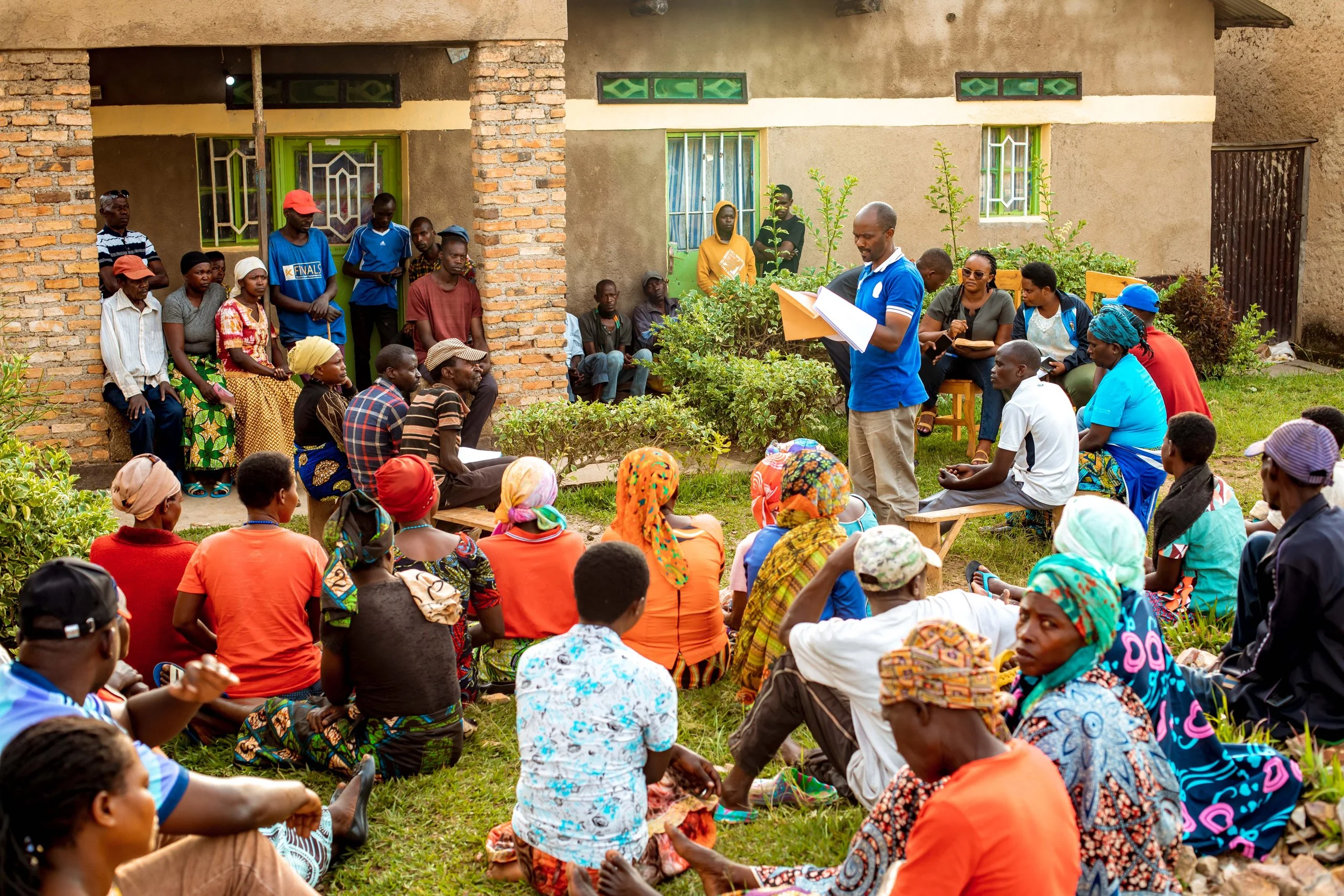
Spark Microgrants marked 15 years in 2025, reaching over 1.2 million people across 1,375 villages and supporting communities to lead their own development. In 2025, we expanded to 270 new villages, supported 378 community-designed projects, and saw strong participation, leadership, and locally driven impact. As governments like Rwanda adopt this approach at national scale, Spark is helping unlock a future where communities are not recipients of development, but the drivers of it. Read our 2025 annual report here.

15 Years of Transformative Change Through Direct Village Grants
We are fifteen years into moving grant funds to low-capital villages through direct transfers and ensuring women and men, young and old, have decision-making power over local initiatives.

2024 Impact Report
In April, Spark’s M&E team published the 2024 Annual Impact Report, showcasing how the FCAP leads to livelihood and civic gains across geographies. After just two years of Spark’s FCAP, average household asset values have grown by 249%, and household savings increased by 160%.

The Future of Global Development: 2025 Skoll World Forum Roundtable
Amidst significant changes in global development financing from Western nations, Spark hosted a roundtable with sector leaders in Oxford, UK, to discuss how to shape the sector moving forward. The conversation highlighted new research results on the effectiveness of development and models that yield long-term versus short-term impacts.
Publications
Research and reports highlighting our work and impact.

Lessons from designing and testing two variations of a “lean” facilitation approach for community driven development programs
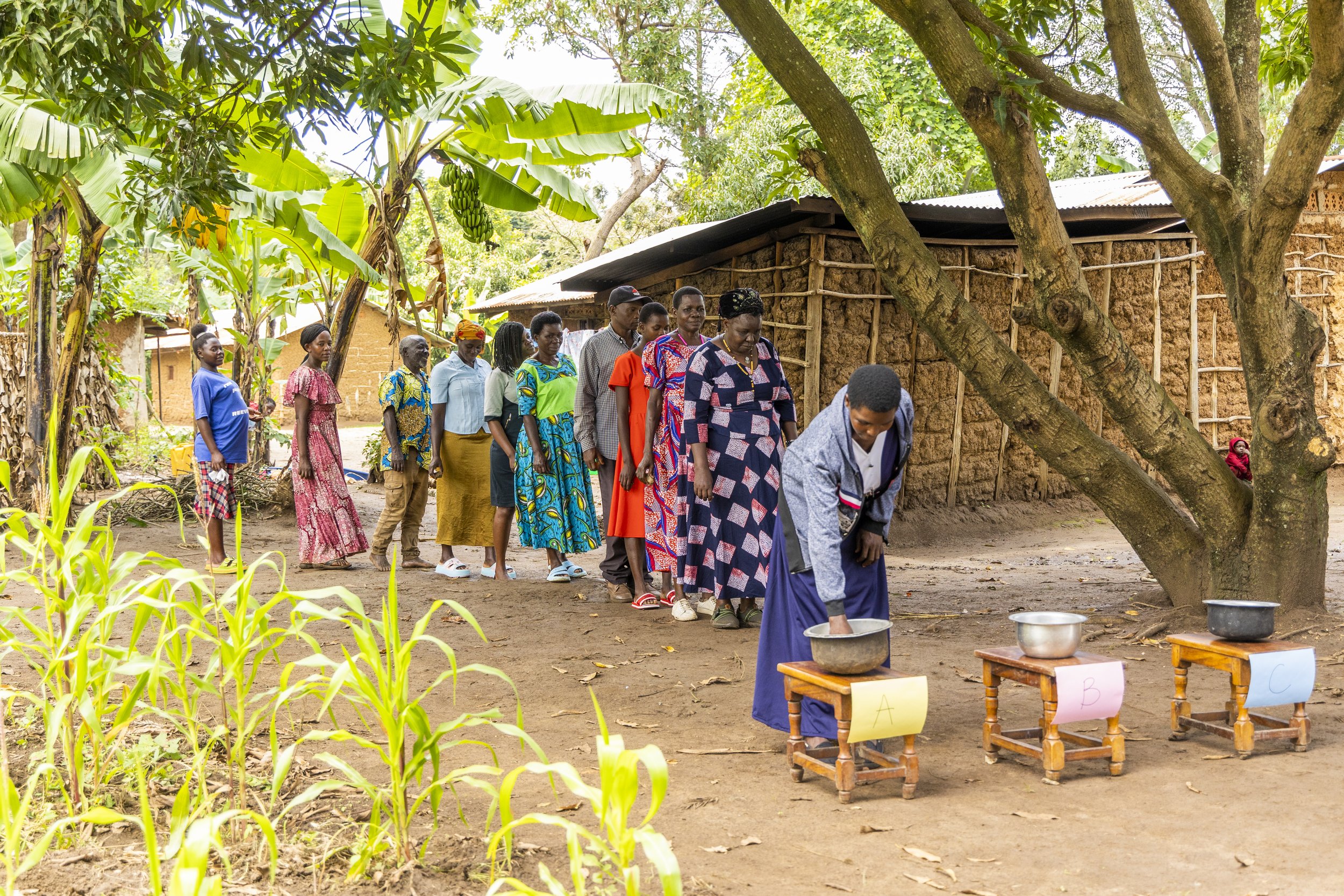
Community-driven development programs combine village grants with facilitation, but there is little evidence on how much facilitation is actually needed. To help answer this question, Spark launched an RCT comparing its standard model to a lean facilitation approach, informed by a pilot that identified the minimum support needed while keeping communities in the lead.