Kanyendara’s goat and sheep rearing project

in Burera, Rwanda


  • 107
  • households impacted

  • $3000
  • donated towards $3000 MicroGrant

  • 1236
  • community hours worked

  • 100%

    funded

Community Background


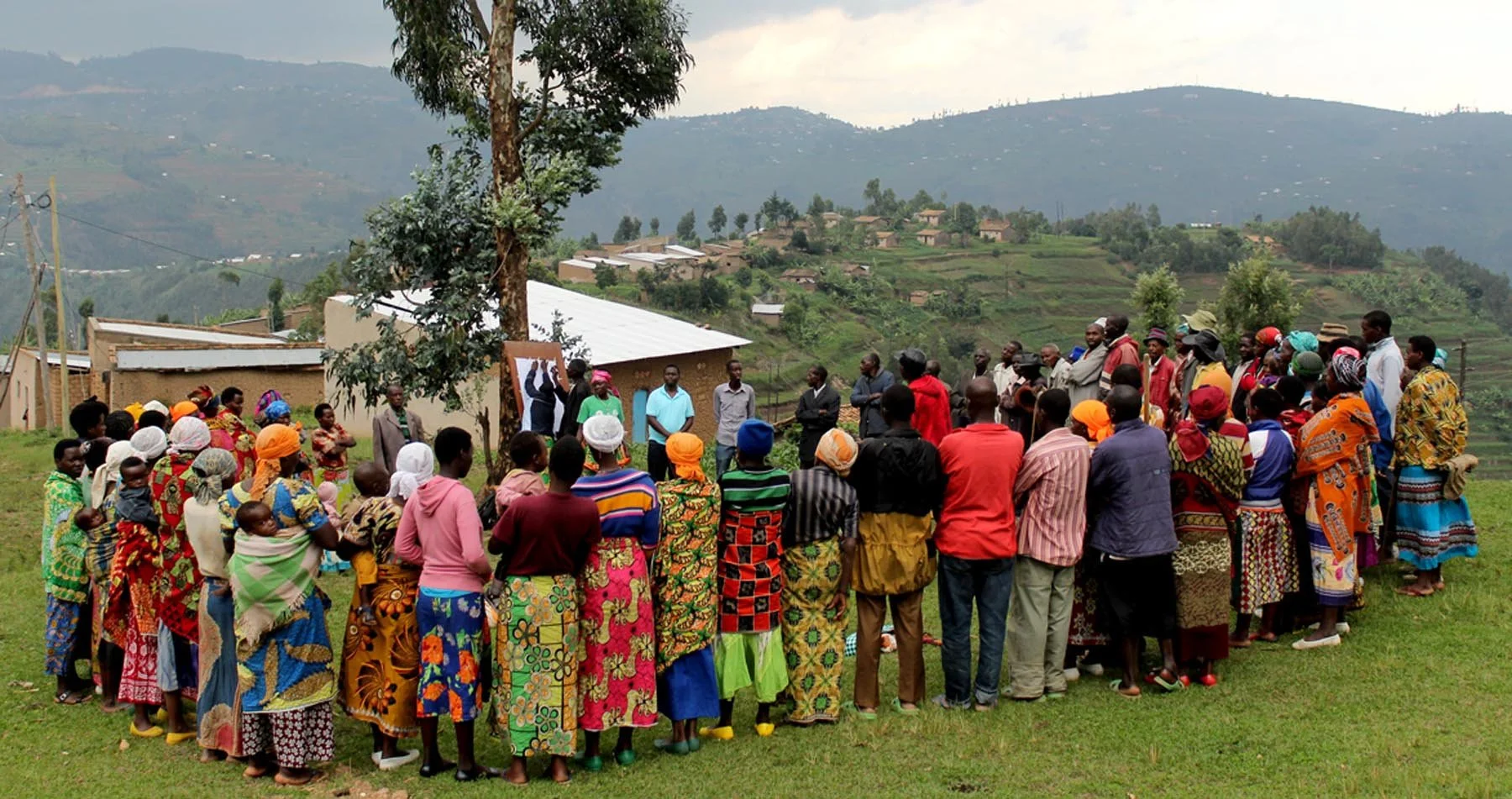
The community of Kanyendara was created in 2000 by the government in an effort to organize returning refugees into villages and facilitate the provision of social services. Initially, most community members lived in thatched grass houses, which both failed to prevent rainwater from dripping through the roof and could easily catch fire during the dry season. In order to create safer living conditions, the government sensitized community members to the safety concerns associated with grass houses and began providing money and expertise to help families build mud-brick homes with metal roofs. Since improving their living conditions, members of Kanyendara still face many development challenges including severe food insecurity and a lack of income generating opportunities.

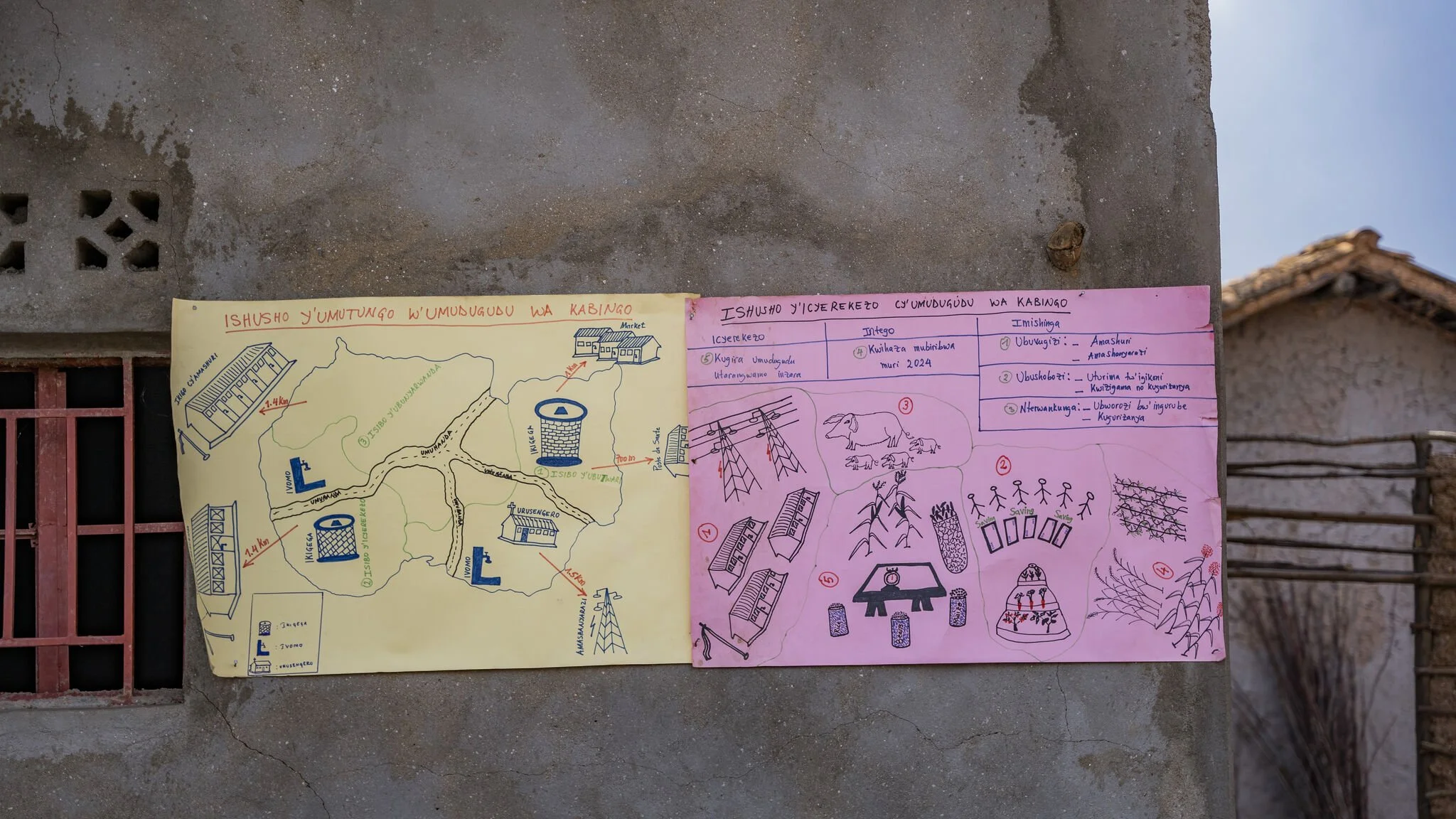
While each household has a small plot of land to grow beans and potatoes, due to the rocky volcanic soil, their land is not productive and families are unable to grow enough food to meet the needs of their families. Unable to find jobs in Rwanda, a majority of men from the community are migrant laborers traveling several hours north to Uganda where they work for two weeks at a time, cultivating other people’s land. For two weeks of labor, men earn around 10,000 Rwf ($17 USD). During their meetings with Spark MicroGrants, the community decided to address the problems of food insecurity and income generation.

Community-Designed Solution


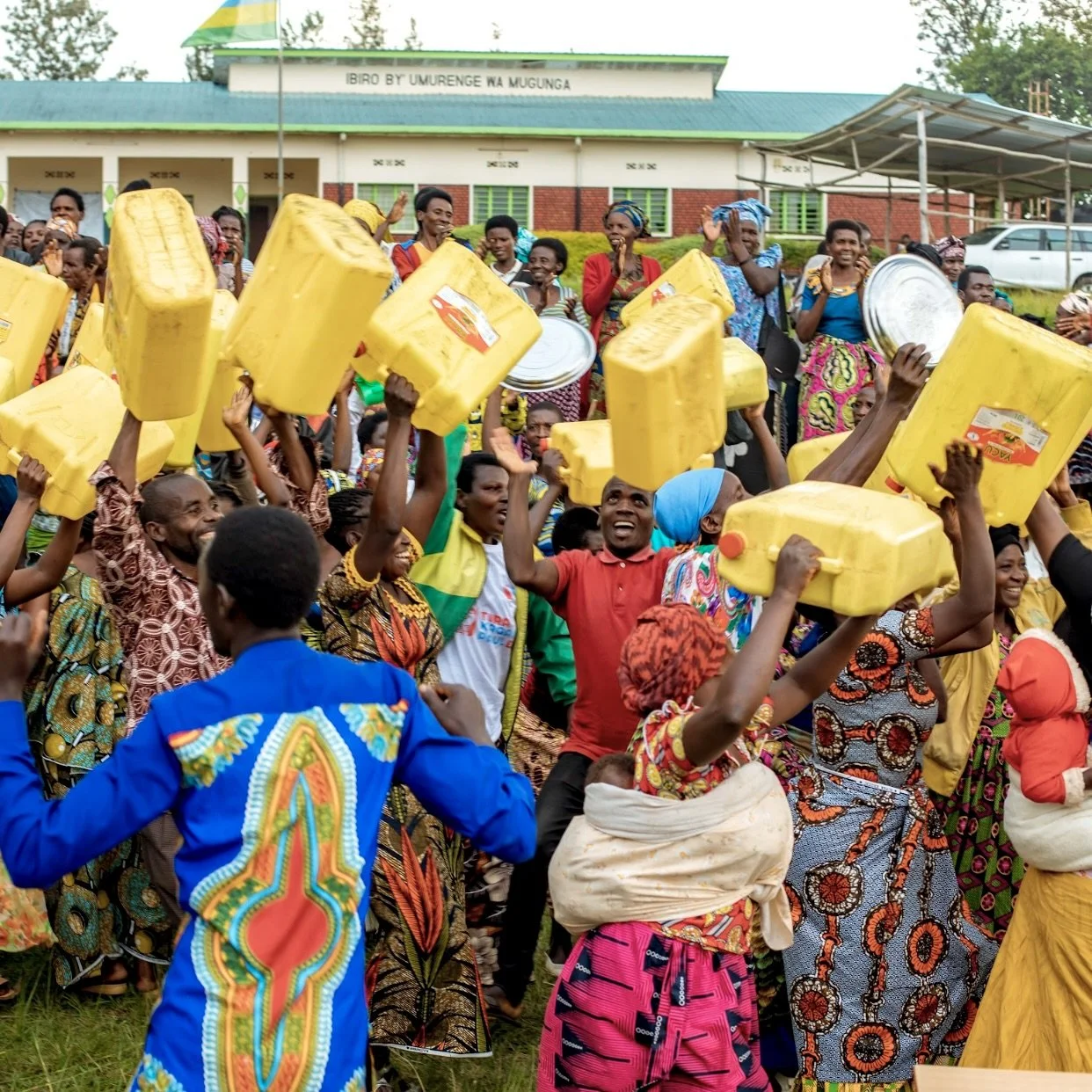
Kanyendara community members will use their microgrant to purchase 66 goats and 41 sheep, providing each household with an animal. The community plans to use the manure from their animals as fertilizer in their fields in order to increase their yields and improve food security. After their animal reproduces, community members will be able to sell their animals at the local market, thus generating additional income. Community members plan to use this additional income to buy health insurance, pay school fees, and purchase mattresses. Each household has committed to building a pen to house their animal as their contribution to the project.

“We will raise these animals the best that we know how so that they will provide the most benefit to our village. We hope that these animals will not only provide manure for our land but also that they will reproduce and we will be able to keep improving our living conditions! We are thankful to Spark for showing us that we have the power to keep improving our own lives.” – Emmanuel, Association member

Field Updates


Kanyendara gets a visit from the vet

By: apalmer on January 14, 2013 12:47 pm

Happy 2013, everyone! This is Aileen, Spark’s Program Development Associate. I thought I’d kick off the new year by writing a post about a recent visit I took to Kanyendara with our facilitator Aloys.

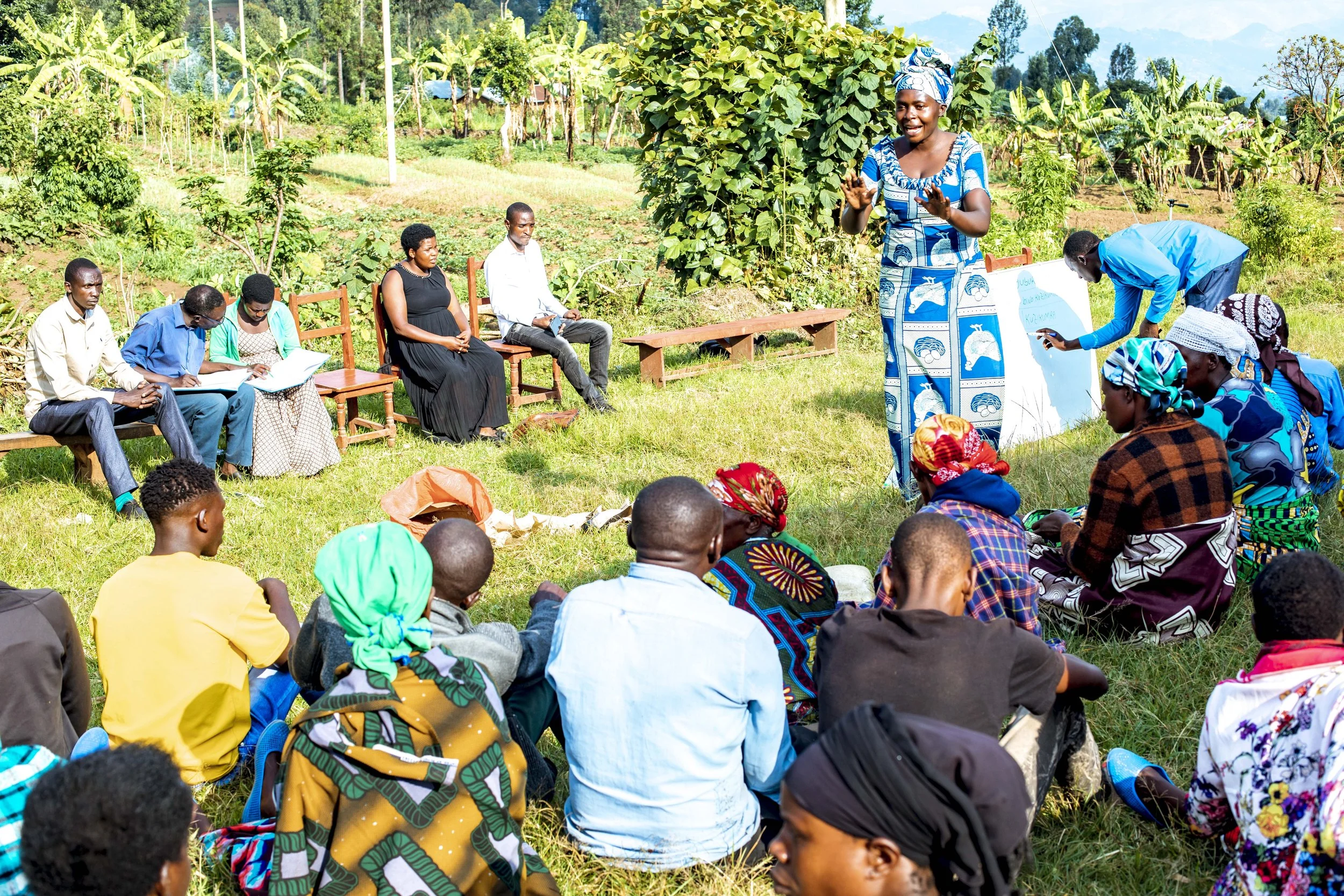
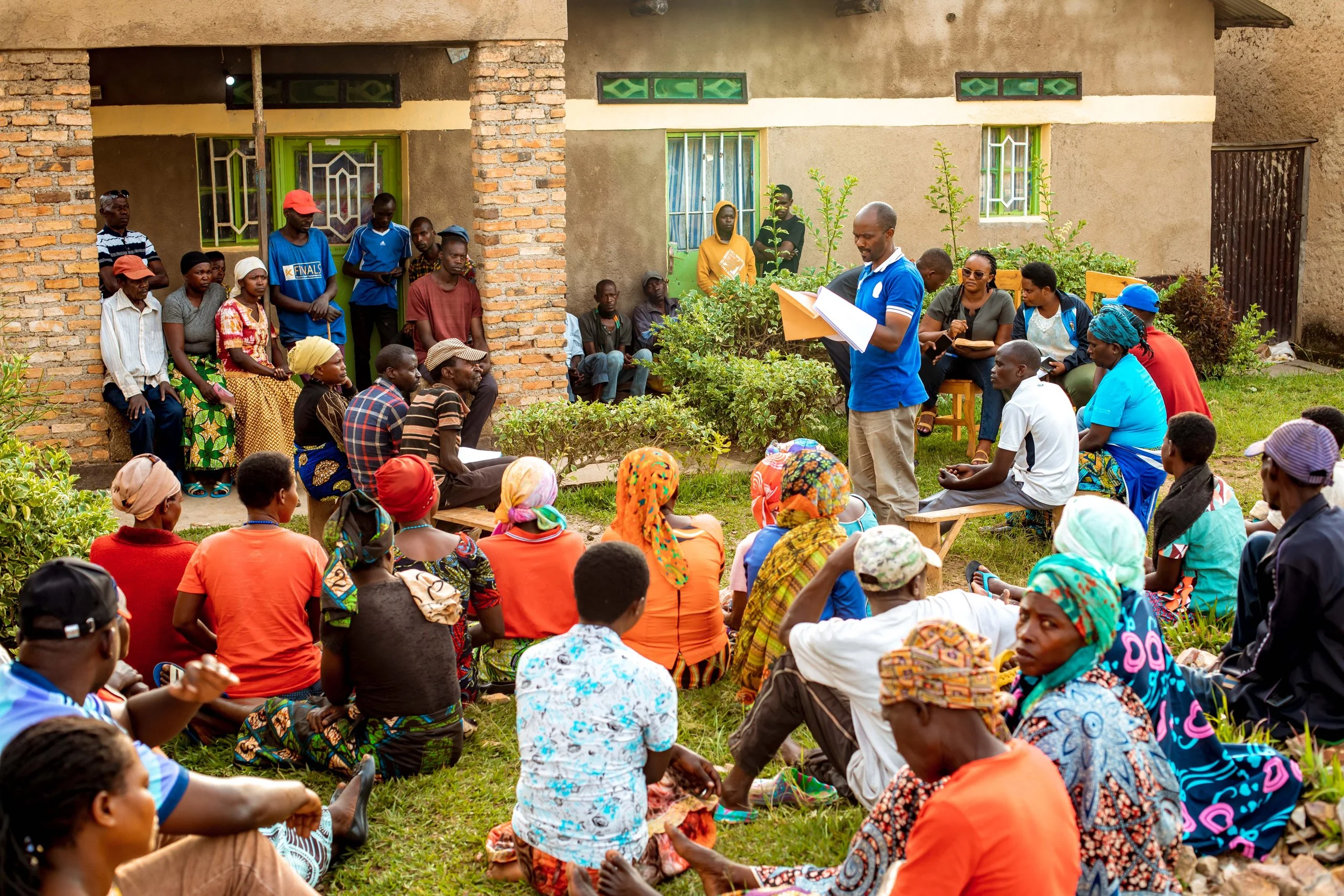
Kanyendara is in the process of planning a goat and sheep rearing project to address the dual challenges of food insecurity and income generation. As part of the project planning process, Spark works to connect our communities to local experts who can help communities plan for a sustainable project and answer any questions they may have. For Kanyendara, that meant inviting a sector veterinarian to a recent meeting to teach the community members about proper animal rearing techniques.

Over 60 adults attended the training, which started with a “crash course” in animal rearing and ended with the veterinarian taking questions. The community members had some great questions, asking about topics like how to recognize illness in their animals and how much space they should allocate for pens.

At the end of the day, the vet offered to stop by Kanyendara after they receive their grant to make sure their animals are healthy and help them create safe living environments for them. The community members are excited to get going with their grant!

Interested in helping the Kanyendara community accomplish their goals? Donate to their project on our website here: http://www.sparkmicrogrants.org/?page_id=2727

« Page 1 »