For over a decade we have improved the lives of one million people in the poorest parts of the world
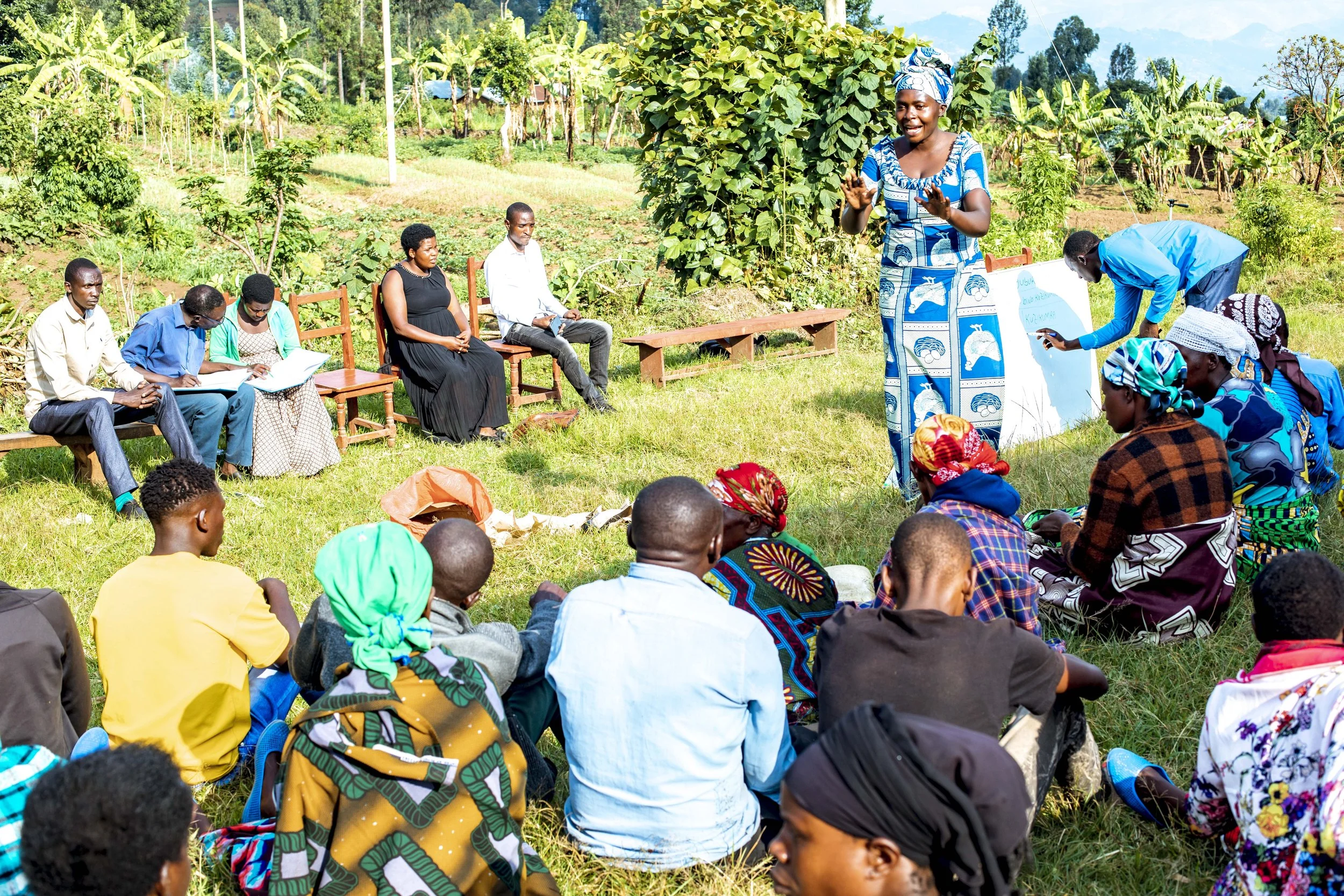
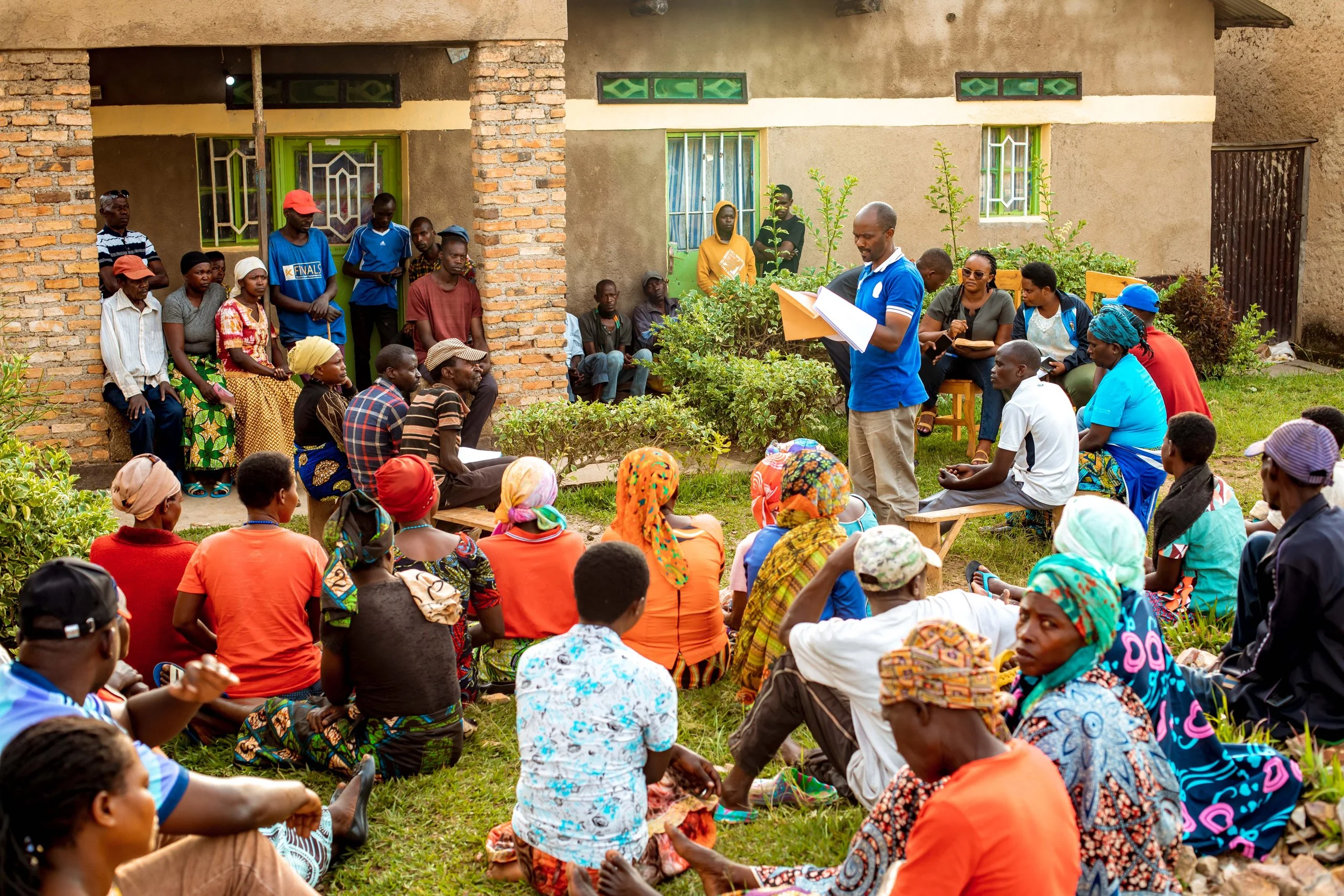
We believe families in every village should have the right to decide how local development will impact them. To turn our vision into reality, we have pioneered an approach that is 100% village-driven and places decision-making power in the hands of those most affected by poverty.
Who We Are ➝

A unique approach sets us apart.
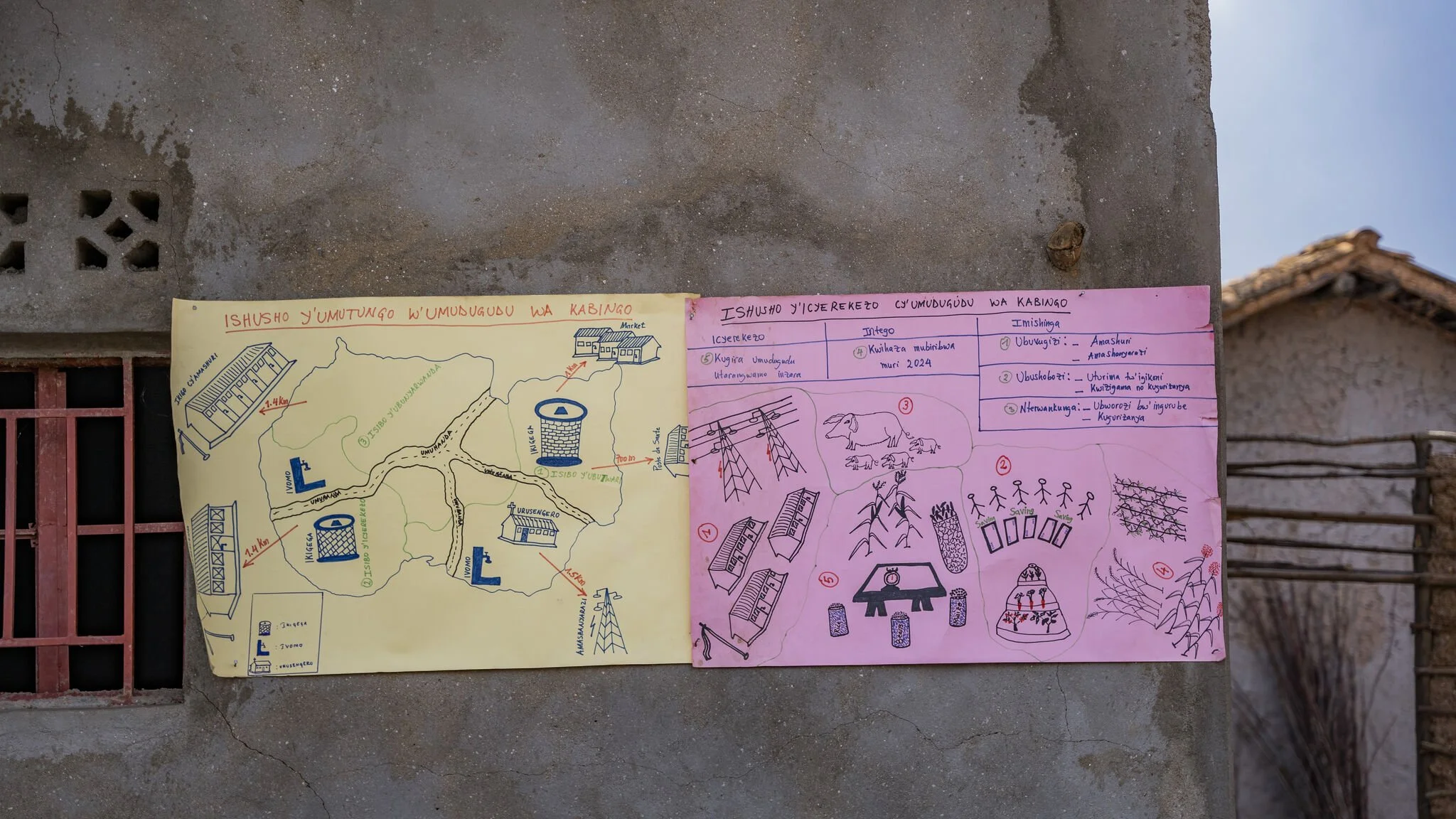
Our model pairs an inclusive village planning process with direct cash grants. This enables families to control all decisions, planning and resources. Each project they choose produces sustainable revenue to allow every family in the village to emerge from, and stay out of, extreme poverty.
This innovative process is low cost and replicable at $30/person.
What We Do ➝

Our Impact at a Glance:
-
0
Increase in median household asset values
-
0
Increase in household savings
-
0
Village meetings continue after process completes
Proven Durable Impact
Spark’s cash and village planning process leads to outsized impacts that endure for over a decade.
Villages gain more than triple the household assets and double their savings balances as a result of the Spark process.
Measuring Our Impact ➝

“Working with Spark brought us from the dark where we did not even know our neighbors to the light where we are free to know all and work together as a community towards a better future.”
-Kaana Mwenyi, Nasitsape, Uganda
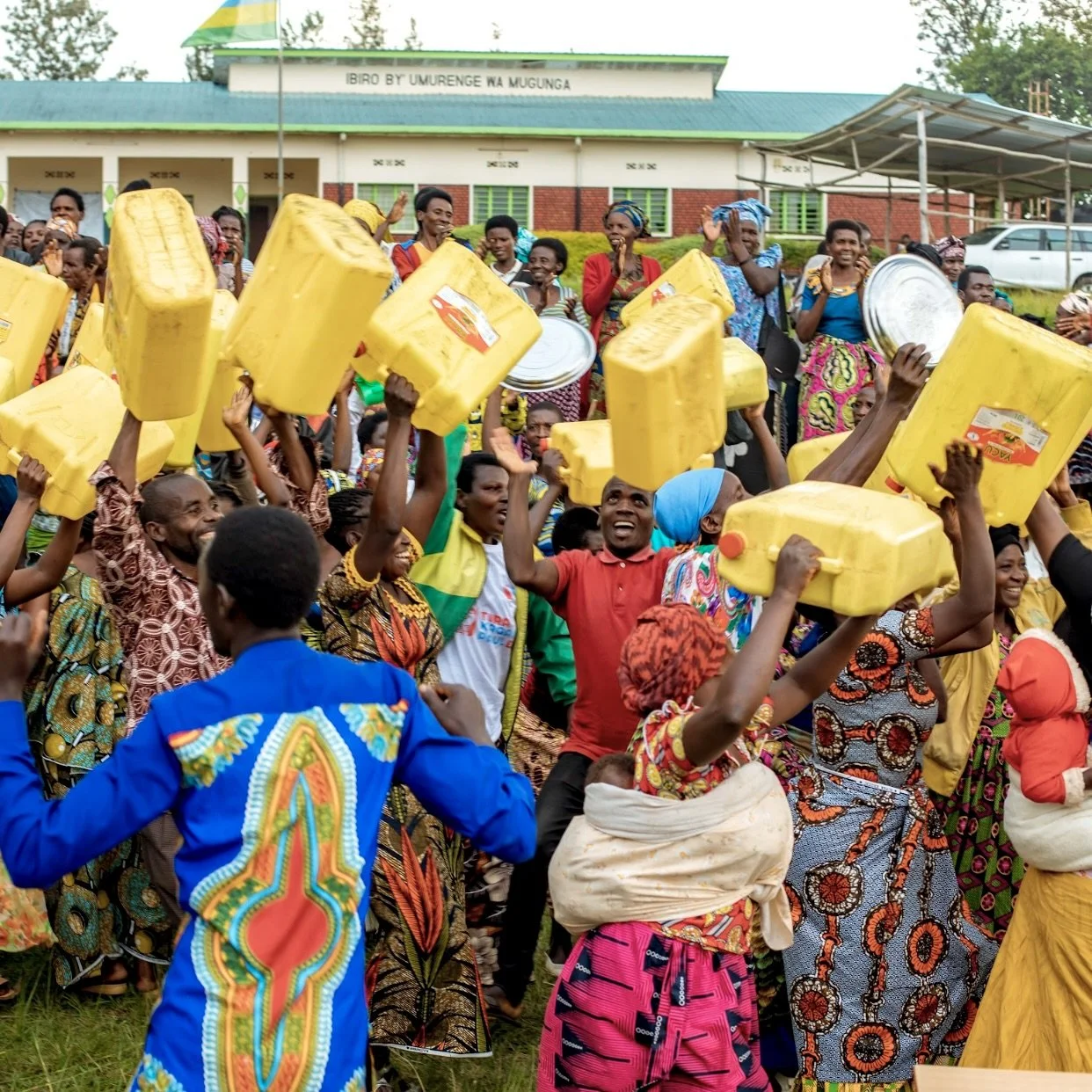
Our Vision: A world where everybody lives with dignity and determines their own positive future.
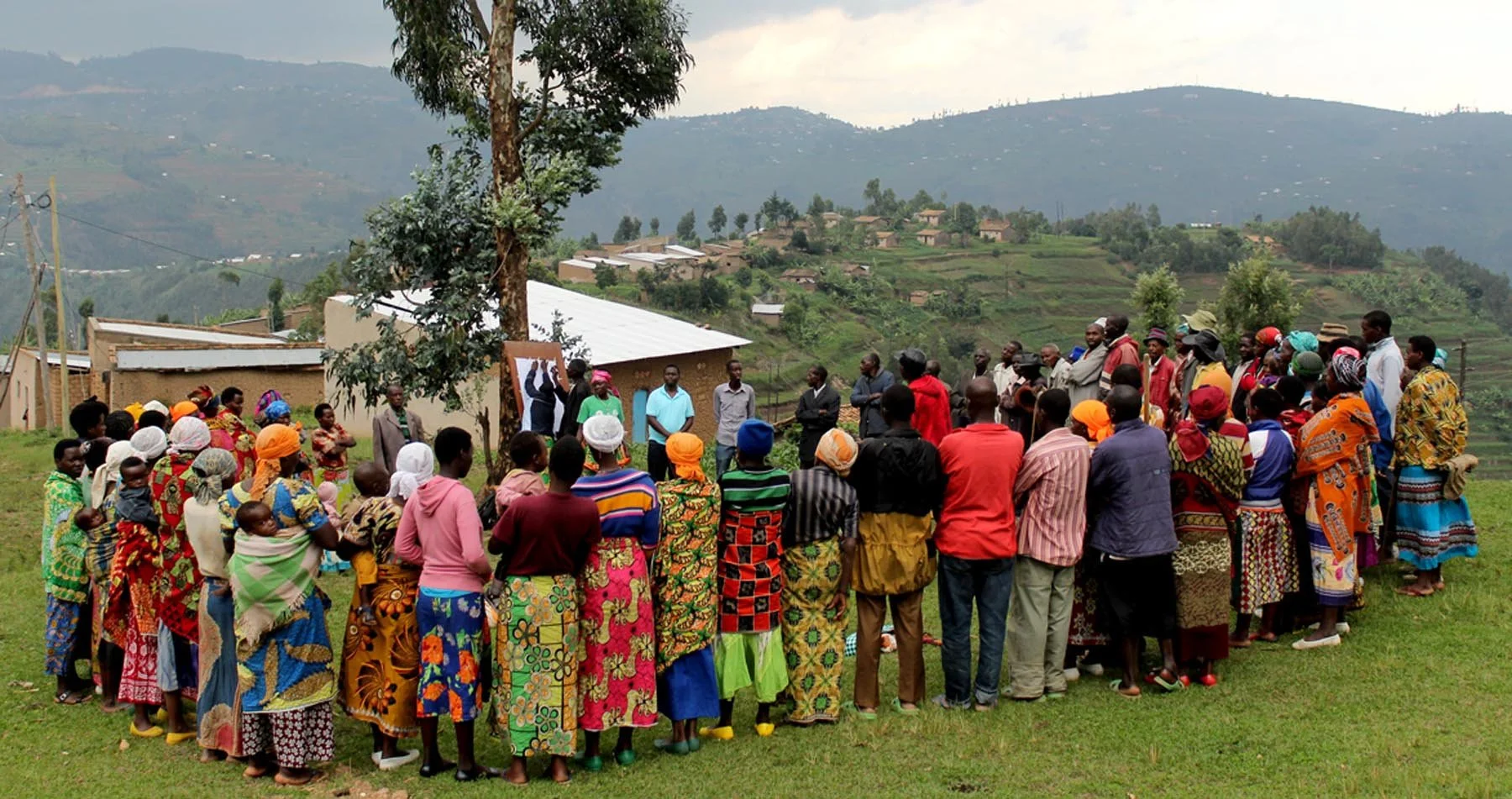
Sparked Communities
The Spark Process was first tested in northern Rwanda in 2010. Since that time, we have worked with over 1300 villages in five countries.
Spark now has partners across Rwanda, Malawi, Uganda, Ghana and Burundi.
1300+ Villages and Growing
-

Rwanda
-
Uganda
-

Burundi
-

Malawi
-

Ghana